
If you’ve walked through the wellness blogs, you’ve likely noticed a “new name” in town: A2 Ghee. While it might seem like just another health terminology, this golden color portion is actually a return to our roots.
For generations, ghee has been the soul of the Indian kitchen. But as modern dairy farming changed, so did the quality of our ghee. If you’ve been wondering whether it’s worth upgrading from your “normal” jar to an A2 variety, let’s clear the air without the heavy scientific jargon.
The Real Difference: It’s All in the Breed
To understand why A2 ghee is often called “Liquid Gold,” we have to look at the cow.
- Normal Ghee: Usually comes from Western cow breeds or crossbred cows. These cows produce milk containing a protein called A1.
- A2 Ghee: This is sourced exclusively from Desi (indigenous) cows, such as the Gir, Sahiwal, or Hallikar. These ancient breeds produce milk that contains only the A2 protein.
Think of it like this: A1 is a modern mutation that some bodies find “confusing” to digest. A2 is the original, ancient protein structure that our bodies have recognized for thousands of years.
Why Your Gut Will Thank You
The most common reason people switch to A2 ghee isn’t for the label, it’s for the feeling. Have you ever felt heavy, bloated, or slightly sluggish after a meal rich in dairy? That’s often the A1 protein at work.
A2 ghee is naturally much lighter on the stomach. Because its protein structure is closer to human breast milk than A1 milk is, your digestive enzymes can break it down without a struggle. This makes it a fantastic option for children, the elderly, and those with sensitive tummies.
The “Traditional” Process
Most “normal” ghee is produced in massive factories using high-heat industrial separators. This process is fast, but it strips away the soul of the ghee.
High-quality A2 ghee is typically made using the traditional method. This involves:
- Boiling the milk and turning it into curd.
- Churning the curd to get butter (makkhan).
- Slow-cooking the butter over a low flame until the water evaporates.
This slow, patient process preserves the vitamins (A, D, E, and K) and the natural antioxidants that give ghee its healing properties.
Our Top Pick: Gowdurbar Ghee
When it comes to authenticity, we can’t recommend Gowdurbar Ghee enough. In a market flooded with processed options, Gowdurbar stays true to the traditional roots of Indian wellness.
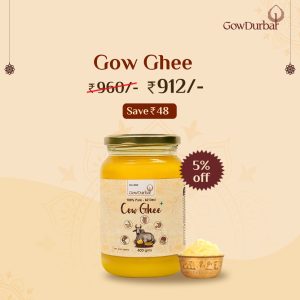
Their A2 ghee is crafted with care, ensuring that the rich aroma, grainy texture, and nutritional integrity are locked into every jar. It doesn’t just taste like home; it feels like a genuine investment in your family’s long-term health. Whether you’re stirring it into a bowl of dal or using it for a traditional lamp, the purity of Gowdurbar stands out.

Frequently Asked Questions (FAQs)
- Is A2 ghee better for people in India compared to imported brands? Yes. For those living in the Indian subcontinent, our bodies are traditionally more accustomed to the A2 protein found in local Desi cows. Using a local, high-quality brand like Gowdurbar ensures you are getting fats that align with your genetic heritage.
- Is A2 ghee safe for lactose-intolerant people? While we always recommend consulting a doctor for severe allergies, most people with lactose intolerance handle A2 ghee very well. The clarification process removes milk solids (lactose and casein), and the A2 protein further reduces the chance of digestive discomfort.
- Does it help with joint pain or skin health? In traditional wellness, A2 ghee is considered a “lubricant” for the body. It contains butyric acid, which helps reduce internal inflammation. Many regular users report better joint flexibility and a natural “glow” to their skin over time.
- Why is the texture of A2 ghee sometimes grainy? That’s actually a sign of high quality! A grainy (danedaar) texture indicates that the ghee was cooled slowly and made using traditional methods. Smooth, oily ghee is often a sign of heavy industrial processing.
- How much A2 ghee should I eat daily? For a healthy adult, 1 to 2 teaspoons a day is the sweet spot. It helps in the absorption of nutrients from your food and provides a steady source of energy without the “crash” associated with sugars or processed oils.